







Search Results for: El Mirador Estate
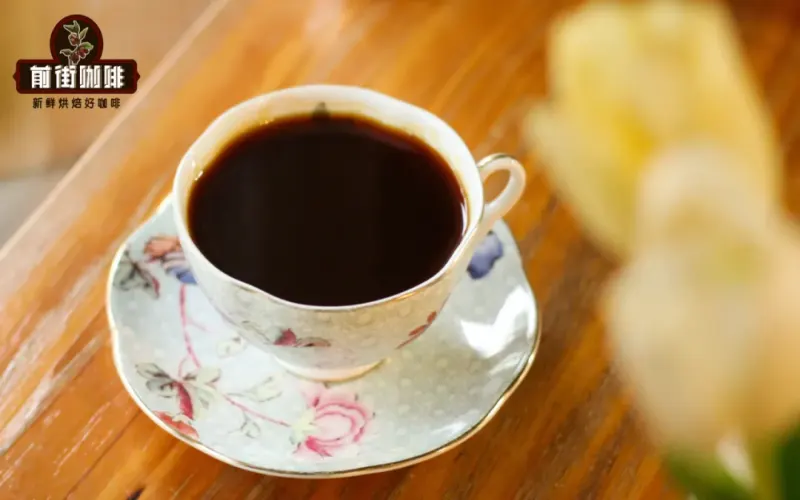
A Detailed Explanation of Costa Rica's Red Honey Processing Method and a Full Analysis of Hacienda El Mirador's Cultivated Varieties
Costa Rican honey-processed coffee has long been famous for its outstanding sweetness, and Hacienda El Mirador is one of the representatives of this style. This micro-estate, located in the Tarrazú region, sits in a valley at an altitude of 1,750 meters and mainly cultivates three varieties: Catuai, Ethíopia 47, and Geisha. The red honey-processed Catuai from Hacienda El Mirador that Front Street Coffee has acquired this time is presented as a medium-light roast and, in cupping, displays rich layers of sweet orange, cream, grapefruit, honey, and black tea. This article will guide you through the specific steps of red honey processing, as well as the cultivated varieties and estate story of Hacienda El Mirador, to explore the mystery of honey-processed sweetness together. [more…]
Colombia El Mirador Estate Washed Caturra Green Coffee Bean Review and Roast Log
In recent years, more and more micro green coffee traders specializing in single countries of origin have entered the market. They are more closely connected with estates, so the probability of their products being a miss is relatively lower. This review features Front Street Coffee Colombia Little Cabin Estate Washed Caturra coffee beans, from Company C, a green coffee trader specializing in Colombia. This bean has jasmine floral notes, chocolate, caramel, and moderate acidity. We conducted a 500g roasting test and recorded the complete cupping performance. In Michael Sheridan's experiments, the Caturra variety usually shows medium acidity and body, with cupping scores of about 82-85 points. This bean can be used both for pour-over single-origin brewing and for blends, but its SOE performance is somewhat monotonous. The detailed review process is as follows. [more…]
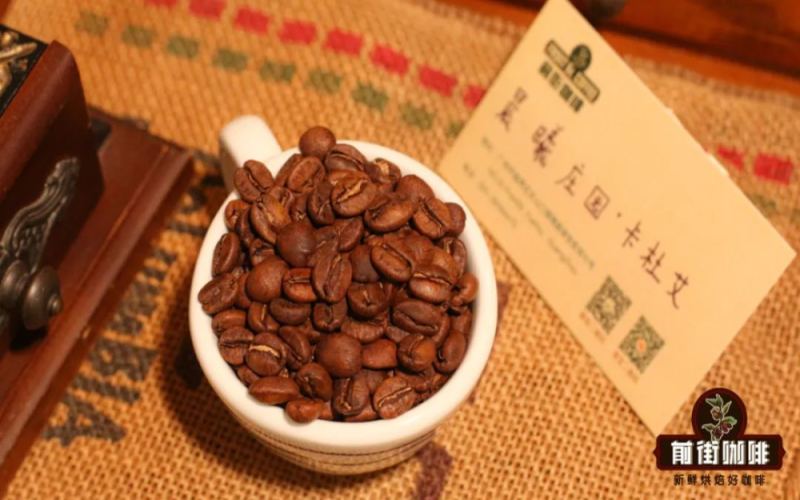
How to drink Costa Rican Red Honey coffee beans? Hand-brew parameters and flavor analysis of Hacienda El Mirador Catuai
Costa Rica is renowned for its honey-processed coffee, and Hacienda El Mirador in the Tarrazú region is a prime example. This Front Street Coffee Costa Rica Hacienda El Mirador Red Honey Catuai comes from the Tarrazú region at an altitude of 1,750 meters, employs the red honey process, and showcases rich flavors of sweet orange, cream, grapefruit, honey, and black tea. This article will guide you through Hacienda El Mirador's growing background, the characteristics of the Catuai variety, and the features of the red honey process, while sharing Front Street's cupping experience and pour-over parameter recommendations to help you better brew this exceptionally sweet coffee. [more…]
Colombia Huila San Agustin El Mirador Estate Pink Bourbon Micro-Lot Specialty Coffee Bean Story
In the small town of San Agustín in Colombia's Huila region, there is a national archaeological park designated as a UNESCO World Heritage Site. This place is not only home to Colombia's earliest human settlement, but also produces one of the world's rarest coffees: Pink Bourbon. Pink Bourbon is a natural hybrid of Yellow Bourbon and Red Bourbon, a rare variety resulting from recessive gene expression, difficult to cultivate with extremely low yields. The green bean buying team at Front Street Coffee traveled personally to Finca El Diviso to select this micro-lot washed Pink Bourbon, which presents sweet orange, sugarcane sweetness, and a pleasant juicy mouthfeel. This article will guide you through the genetic secrets of Pink Bourbon, its cultivation challenges, and the story and flavor profile behind this coffee. [more…]
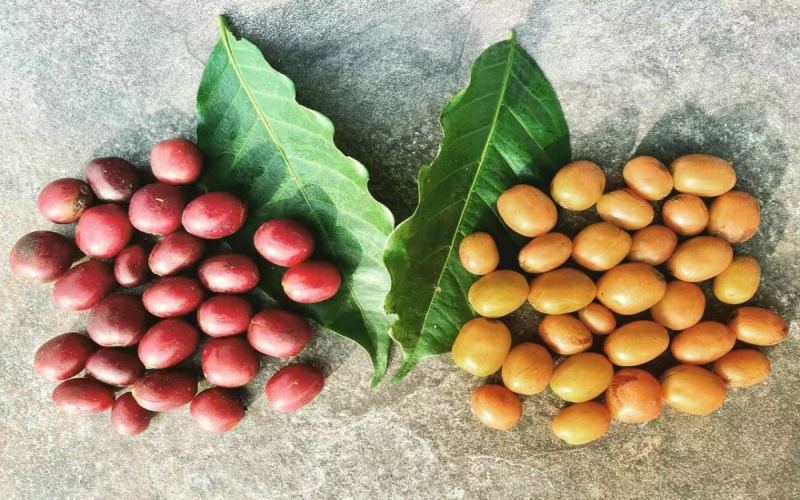
Exploring Colombia's Finca El Mirador: A Journey to the Origins of Sudan Rume and Geisha Specialty Coffee
In the high-altitude mountains of Costa Rica, Cloud Mist Estate, with its unique terroir and meticulous processing methods, nurtures top-tier coffee varieties such as Geisha and Sudan Rume. This article will take you deep into the natural advantages of the Los Santos region, analyze the varietal origins of Geisha and Sudan Rume, and share brewing suggestions from Front Street Coffee. From historical context to processing techniques, from varietal characteristics to pour-over parameters, it presents the fascinating world of specialty coffee in every aspect. [more…]
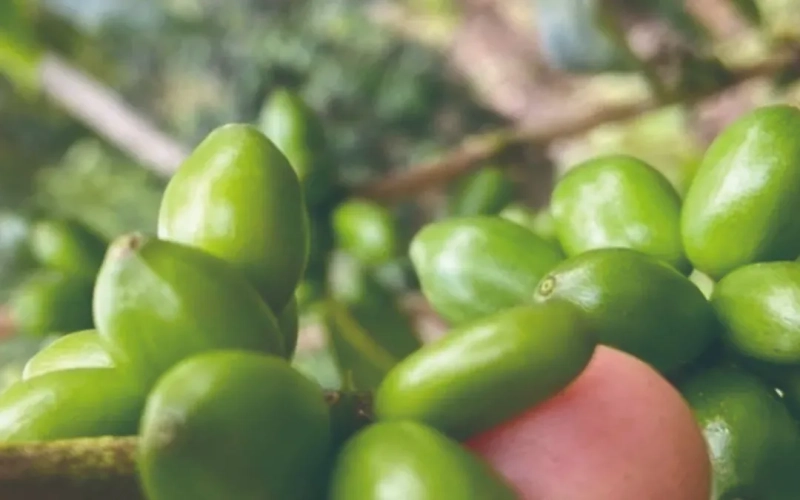
Exploring the Papayo Coffee Variety: Analysis of a Rare Rising Star from Huila, Colombia, and Its Flavor Potential
The coffee world is never short of surprises, and recently a variety called Papayo is making its way into the public eye through the competition stage. Its name comes from the coffee fruit's resemblance to a papaya, and it is mainly rooted in producing regions such as Huila, Colombia. Although it is often mistakenly believed to be related to Obligon, the World Coffee Research Institute points out that there is no evidence to support this claim. According to Miller Bustos, owner of Finca El Mirador, this variety has high yields, performs best in flavor at altitudes between 1,400 and 2,000 meters, and is suitable for washed, natural, and honey processing, capable of presenting chocolate, caramel, tropical fruit, and a silky mouthfeel. This article will take you through an in-depth understanding of the Papayo variety's origin controversies, current cultivation status, processing methods, and cup potential, along with Front Street Coffee's recommended perspective. [more…]
Colombia · Narino and Cauca: High-Scoring New Stars of Specialty Estates
Nariño and Cauca are two neighboring emerging specialty coffee regions in southern Colombia. The coffee produced here has, for consecutive years, earned high scores in the Cup of Excellence thanks to its full-bodied tartaric acidity, pronounced fruity notes, and complex layers. [more…]
Colombia · Huila Department: Balanced Sweetness of the Andes
Huila is Colombia's most prestigious specialty coffee region, and the coffee produced here is famous for its balanced acidity and sweetness, pronounced caramel sweetness, and clean cup profile. This article guides you through Huila's geography, varieties, flavors, and brewing. [more…]
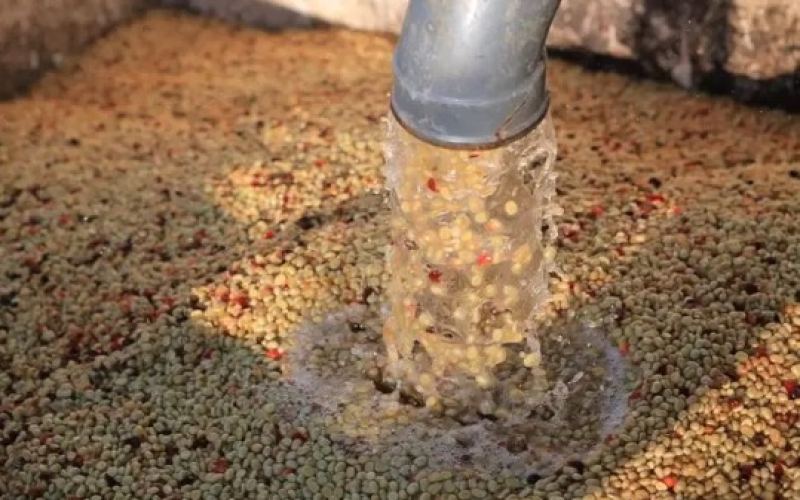
What is the papaya (Papayo) coffee variety? Introduction to the new coffee variety papaya.
In recent years, the coffee market has been very interested in some rare or exclusive coffee varieties, and recently some special varieties have appeared in the public view through coffee competitions, among which there is the papaya variety (Papayo) [more…]
What kind of bean is a blend of multiple varieties from the same origin? A case study of a Costa Rican Mirasol and Panama Butterfly Geisha blend
When many people hear about blended coffee beans, their first thought is cross-region blending aimed at achieving a stable espresso flavor. But did you know? There is another type of blend called a "single-origin blend," which combines coffee beans of different varieties from the same region or even the same estate. In this article, Front Street Coffee will explore this concept, using two Geisha blends—Costa Rica's Mirazu Estate and Panama's Boquete Butterfly—to trace the spread of Geisha from Ethiopia to Panama, explain whether they truly count as single-origin coffee, and include details on two processing methods, washed and raisin honey, along with V60 brewing parameters and a flavor comparison, to help you fully understand the value and charm of single-origin blending. [more…]

Can Geisha blend beans be classified as single-origin coffee? An analysis of Front Street Butterfly and Mila Su Strawberry Candy Geisha blends
Geisha coffee has long been renowned for its floral and citrus notes, but when it comes to the many Geisha products on the market labeled as "blends," do they still count as single-origin coffee? This article takes two representative Geisha blends from Front Street Coffee—the Panama Boquete Butterfly and the Costa Rica Mirazu Estate Strawberry Candy Geisha Blend—as examples, examining everything from the history of Geisha's spread, the origin and variety composition of these two beans, the washed and raisin honey processing methods, the roasting curve design, to the actual brewing parameters and flavor performance. After reading, you will understand why the concepts of "Geisha blend" and "single-origin coffee" are not actually in conflict, and you will master the complete brewing approach for these two beans. [more…]
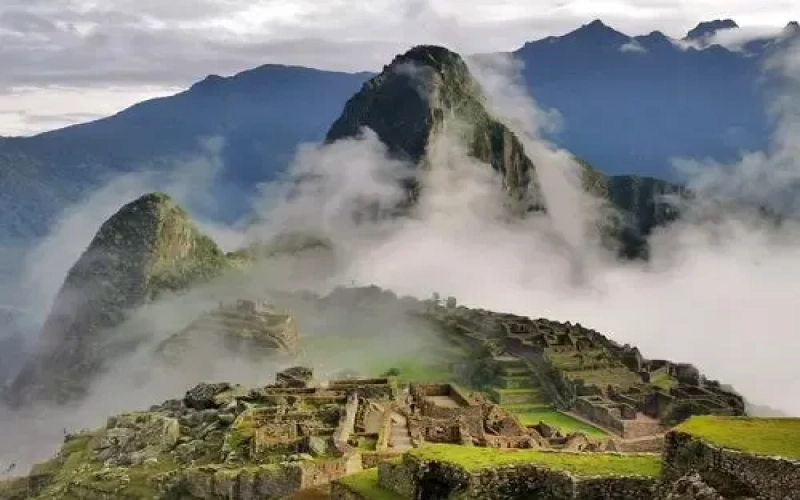
Exploring Peru's Cajamarca Coffee Region: Smallholder Specialty Coffee in the Andes and the Story of a COE Champion
Nestled in the embrace of the South American Andes, Peru may not be as high-profile as Colombia and Brazil, yet thanks to its volcanic soil, tropical mountain climate, and high-altitude growing conditions, it produces coffee beans of outstanding quality. Among its regions, the northern Cajamarca region has performed particularly impressively in recent years, earning renown not only for its smallholder intercropping model and sustainable farming practices, but also for its frequent appearances on the COE list. This article will take you deep into the Cajamarca growing region's geographical environment, historical context, and cultivation characteristics, and analyze the secrets behind the success of the 2023 COE champion farm, Yoniser Mego Silva. [more…]
An Analysis of Colombian Coffee Region Flavors and a Full Overview of the Features of Hacienda La Esperanza Geisha Coffee Beans
Colombian coffee, as one of the few single-origin coffees renowned worldwide by its country name, owes its elegant flavor—sweet and lightly aromatic, with a pleasant balance of acidity and sweetness—to superior geographical and climatic conditions. This article will guide you through the history of Colombian coffee cultivation and the characteristics of its main producing regions, offering an in-depth analysis of how the microclimates of Cauca, Tolima, and other areas shape the flavors in the cup, with a special focus on the top estate—Hacienda La Esperanza's Geisha coffee beans. From its frequent championship records in auctions to its high scores in Coffee Review, and to product information recommended by Front Street Coffee, this single article will help you fully appreciate the charm of Colombian specialty coffee. [more…]
Colombian Emerald Coffee: Flavor Characteristics, Mouthfeel Performance, and Grind Size Guide
Colombian coffee holds an important place in the hearts of coffee lovers worldwide thanks to its silky smooth mouthfeel and outstanding balance. As the world's third-largest coffee producer and the largest exporter of washed Arabica beans, Colombia is home to numerous specialty regions and distinctive estates. This article provides a systematic introduction to the flavor characteristics and taste profile of Colombian Emerald coffee beans, outlines their unique geographical environment and historical origins, and reviews the cultivation features of well-known estates such as Hacienda Esperanza, Hacienda Esmeralda, and Oak Estate one by one. Finally, it includes Front Street hand-brew parameters as a reference, helping readers gain a comprehensive understanding of this coffee hailed as "green gold." [more…]
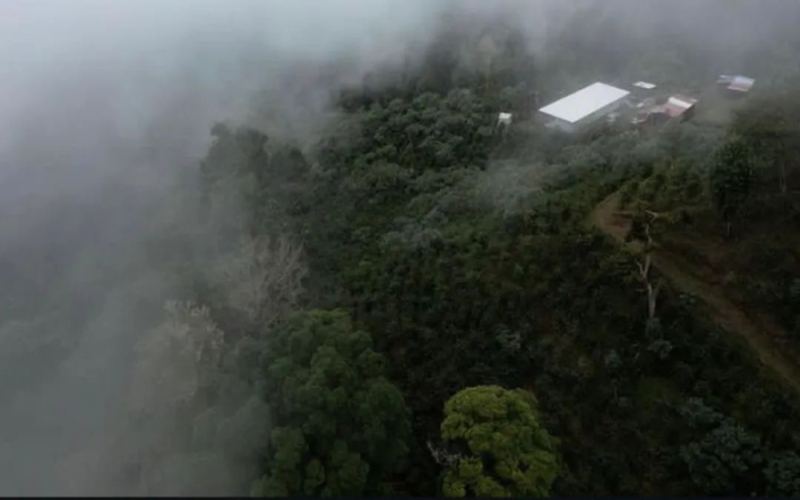
A Complete Flavor Analysis of Panama El Burro Estate Geisha Coffee: Sun-Dried Processing and Cupping Performance of a Century-Old Famous Estate
The Boquete region of Panama has nurtured many world-renowned coffee estates, and El Burro Estate is one of them, soon to enter its centennial history. The estate was founded in 1925 by French immigrant Aristides Boutet, and was later acquired and managed by the Lamastus family due to family ties. Its unique geographical location—near the Baru Volcano mountain range—gives the coffee excellent terroir conditions. The estate mainly cultivates Geisha and Catuai, and in recent years has achieved repeated success in the Best of Panama competition; in 2016, Japan's Maruyama Coffee even won the world championship with El Burro Estate Geisha. Front Street Coffee is now bringing a naturally processed El Burro Estate Geisha, using a medium-light roast, whose cupping reveals a rich layering of green grape, apricot, orange, dried longan, and floral notes intertwined. This article will take you deeper into the history, terroir, and unique flavor of El Burro Estate's Geisha. [more…]
Exploring Finca El Burro in Boquete, Panama: The Journey of Sun-Dried Geisha Flavor and a Century of Coffee Heritage
In the Boquete production region of Panama, there is a coffee estate about to celebrate its centennial—El Burro Estate. Founded in 1925 by French immigrant Aristides Boutet, it now belongs to the Lamastus family and shares the same lineage as the famous Elida Estate. El Burro Estate enjoys the fertile soil and unique microclimate brought by Baru Volcano, providing excellent growing conditions for varieties such as Geisha. This article will take you through the history and terroir advantages of El Burro Estate, and guide you in tasting the sun-dried Geisha from Front Street, experiencing the captivating flavors of green grapes, apricots, and floral notes. [more…]
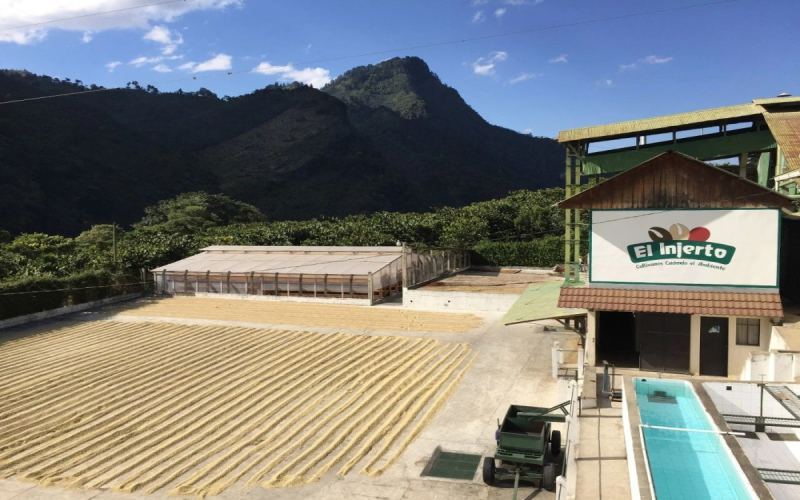
A Complete Guide to the Flavor and Brewing Knowledge of Geisha and Pacamara Coffee Varieties from El Injerto Estate in Guatemala
Guatemala, as an important origin of specialty coffee in Central America, produces coffee beans with distinctive character thanks to its volcanic soil and diverse microclimates. This article focuses on El Injerto Estate, providing a detailed introduction to the variety origin, estate history, cupping flavors, and award records of its Ruby Geisha coffee, and further explains the spread of the Geisha variety, the background of Pacamara's creation, as well as El Injerto Estate's self-organized auction and unique processing methods. It also includes Front Street Coffee's roasting recommendations for Guatemalan coffee and V60 three-pour brewing parameters, helping coffee enthusiasts gain a comprehensive understanding of the flavor charm of this producing region. [more…]
A Deep Comparison of Panama's El Burro Estate and El Mulo Estate: What Sets These Two Similarly Named Geisha Powerhouses Apart?
In the Boquete production region of Panama, there are two estates whose names sound extremely similar—Hacienda La Esmeralda and Elida Estate. Wait, that's not right. Let me reconsider. The estates are "驴子庄园" (Donkey Estate) and "骡子庄园" (Mule Estate). Both produce high-quality Geisha, yet they have completely different family backgrounds and historical origins. Front Street Coffee takes you through the ins and outs of these two famous estates one by one: Donkey Estate belongs to the Lamastus family, is managed by Wilford Lamastus, is located on the southwestern slope of Baru Volcano, and mainly cultivates Geisha and Catuai; Mule Estate was purchased by "Godfather of Geisha" Willem Boot in 2005, and got its name because he visited by riding a mule. Although small in area, it has won numerous awards. This article will compare the two estates' founding stories, terroir conditions, and cultivation details to help coffee lovers clarify these two easily confused Panamanian specialty estates. [more…]
Distinguishing Panamanian Coffee Estates: The Geisha Legend of El Burro Estate and La Mula Estate
On the map of Panamanian specialty coffee, the Boquete region brings together many top Geisha estates, among which El Burro (Donkey Estate) and La Mula (Mule Estate) are often confused due to their similar Chinese translated names. El Burro belongs to the century-old coffee family Lamastus, located on the southwestern slope of Baru Volcano, where high-altitude volcanic soil nurtures a natural Geisha with outstanding sweetness; La Mula was founded in 2005 by the "Godfather of Geisha" Willem Boot, and although small in area, it has repeatedly won awards. Front Street Coffee takes you through the historical origins, terroir conditions, and cultivation details of the two estates one by one, and shares tasting experiences, helping you clearly distinguish these two coffee-famous estates with similar names but each with its own merits. [more…]
El Salvador Finca Colombia Estate Pacamara Natural: Variety Characteristics and Flavor Analysis
Pacamara is a well-known variety developed in El Salvador, attracting attention in the specialty coffee world for its unique flavor performance. This article focuses on Finca Colombia estate in the Apaneca-Ilamatepec mountain range of El Salvador, reviewing its century-long history, variety cultivation, and natural processing methods, and analyzing El Borbollon processing station's practices in quality control and social responsibility. The estate owner Rafael Gerardo Caceres family adheres to traditional varieties and meticulous processing, presenting flavor layers of strawberry, lemonade, and creaminess. Front Street Coffee also recommends paying attention to this estate's natural batch, suitable for pour-over enthusiasts to experience its flavor characteristics. [more…]